BLOG
What Mornington Peninsula Property Owners Should Check Before Booking Window Cleaning for Large Coastal Homes and Lifestyle Properties
Access around multi-level and sloping properties
Many homes across the Mornington Peninsula are built on sloping blocks or elevated land to take advantage of coastal and rural views. These designs often mean windows are positioned at height or above uneven ground. Safe access points, stable footing and clear pathways around the property all influence how external glass can be reached and cleaned effectively.
Glass types and architectural features
Modern and renovated homes across the region often include a mix of standard glass, tinted panels, large sliding doors and fixed architectural glazing. Each type of glass responds differently to cleaning depending on coating, angle and exposure. Older homes may also include timber frames or smaller divided panes that require more detailed attention around edges and seals.
Exposure to coastal and environmental conditions
Properties closer to the coast experience higher levels of salt, moisture and wind-driven debris. Inland lifestyle properties are more affected by dust, pollen and vegetation. Understanding the surrounding environment helps determine how heavily glass surfaces are likely to be affected and which areas of a home may require more detailed cleaning.
Presence of additional glass features
Many Mornington Peninsula homes include pool fencing, balustrades, skylights and solar panels in addition to standard windows. These surfaces often collect residue at different rates due to their position and angle. Pool areas in particular are exposed to water splash, chemicals and outdoor elements that leave visible marks on glass over time.
Seasonal timing and property condition
Seasonal weather changes across the peninsula can influence how dirty windows appear. Windy periods tend to increase debris build-up, while wet conditions often leave spotting and streaking. The current condition of surrounding gardens, gutters and outdoor areas can also affect how quickly glass becomes marked between cleans.






DISCOVER WHAT OUR CUSTOMERS HAVE TO SAY ABOUT US
REVIEWS
REVIEW US ON GOOGLE
our process
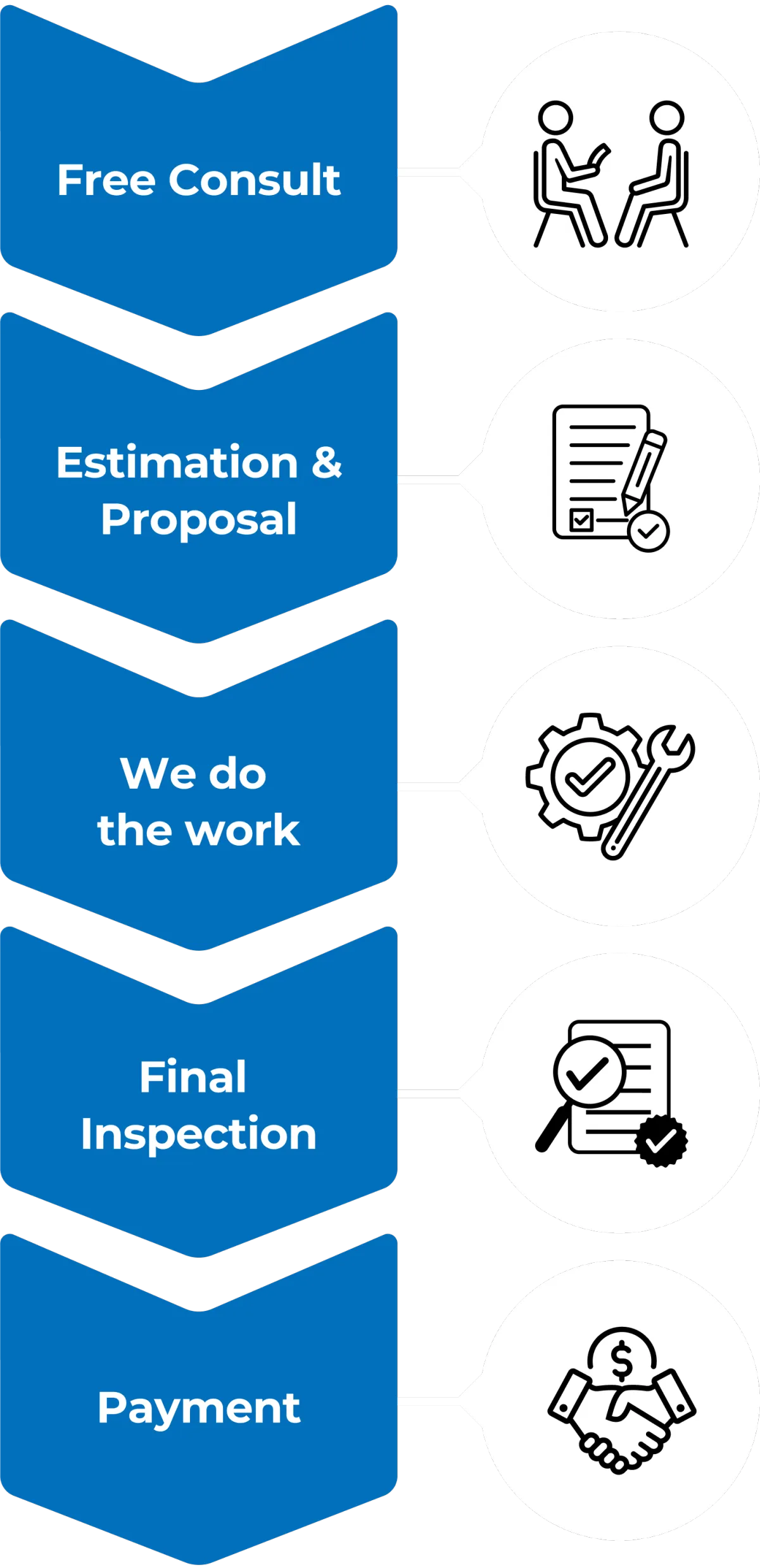
Our process is simple and only contains a few simple steps